Why Crickets Invade Homes And How To Stop Them
To prevent crickets from invading homes, local residential cricket control service providers can identify entry points and implement effective exclusion and treatment methods.
Homeowners in the area often notice crickets becoming more active indoors, especially during certain seasons or after periods of heavy rainfall. Understanding why crickets invade homes and how to stop them can help property owners prevent unwanted pests from disrupting their living spaces. This topic is especially relevant for those seeking practical solutions to protect their homes and maintain a comfortable environment. By exploring the common reasons crickets enter and the most effective methods to deter them, property owners can better manage these intrusions with the assistance of experienced local contractors who specialize in residential cricket control.
Many local service providers offer targeted strategies to address cricket infestations, focusing on both prevention and removal. These professionals understand the specific conditions that attract crickets and can recommend effective treatments to keep them outside where they belong. Whether it’s sealing entry points, managing yard conditions, or applying safe barriers, connecting with local experts ensures that homeowners receive tailored solutions for their needs. Keep reading to discover why crickets invade homes and how trusted local contractors can help implement practical, long-lasting control measures.
- Residential cricket control services are needed when homeowners notice crickets entering living spaces and seek effective removal solutions. Local contractors typically inspect entry points and surrounding areas to identify how crickets invade homes and implement targeted exclusion methods. These services are ideal for addressing infestations caused by cracks, gaps, or damaged screens that allow crickets inside. Professionals often advise on sealing and habitat modification to prevent future invasions and reduce attractants. Homeowners considering cricket control can connect with service providers experienced in managing common entry points and providing long-term solutions.

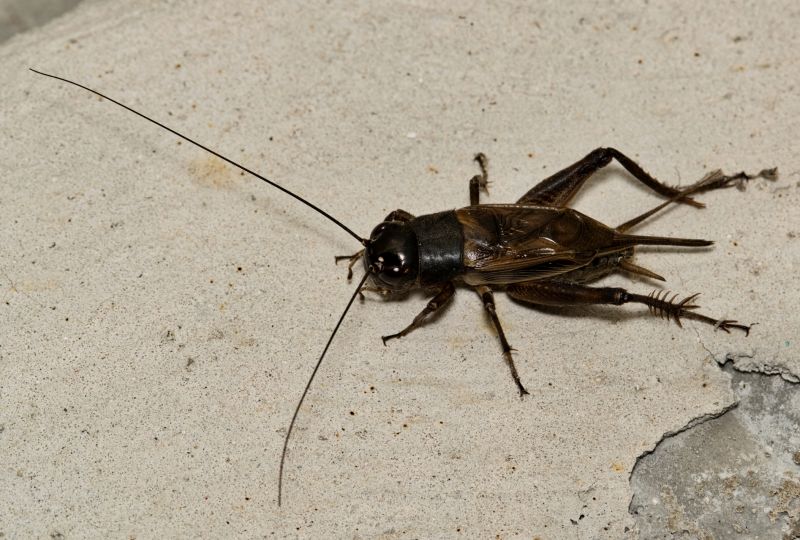
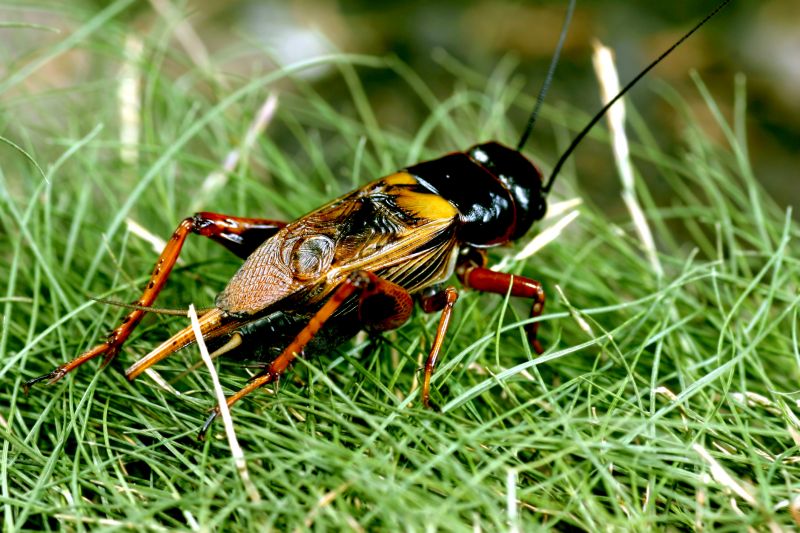
When people search for why crickets invade homes and how to stop them, they are typically looking for explanations about the reasons behind these unwanted visitors and practical solutions to eliminate or prevent infestations. Crickets often enter residential properties seeking shelter, food, or moisture, especially during certain seasons or in areas where their natural habitats are disturbed. Homeowners may notice chirping sounds, small holes in screens, or the presence of crickets in basements, garages, or near entry points. This search often relates to concerns about nuisance noise, potential damage to fabrics or papers, and the desire to maintain a comfortable living environment without pests.
The problems associated with cricket invasions usually involve disruption caused by their noise, especially at night, and the annoyance of finding them inside living spaces. Some homeowners also worry about crickets attracting other pests or causing minor damage by chewing on fabrics, paper, or insulation. This topic connects to plans for pest management, including sealing entry points, reducing outdoor attractants, and implementing preventative measures. Many property owners consider whether their homes have vulnerabilities that invite crickets in, such as gaps around doors, vents, or foundation cracks, and seek effective ways to address these issues.
Cricket problems are common in a variety of property types, including single-family homes, townhouses, and even apartment complexes. Homes with landscaping close to the foundation, mulch beds, or outdoor debris are more likely to experience cricket activity. Properties with poorly sealed windows, vents, or foundation cracks provide easy access points for these pests. Additionally, structures with damp basements, crawl spaces, or garages tend to attract crickets seeking moisture and shelter. Recognizing these property features helps homeowners understand why their specific home might be vulnerable and how local residential cricket control service providers can assist in addressing these vulnerabilities.
Connecting this topic to real projects involves understanding how local service providers can help identify entry points, remove attractants, and implement barriers to prevent future invasions. Residential cricket control professionals typically perform thorough inspections to locate problem areas and recommend tailored solutions such as sealing cracks, installing door sweeps, or applying targeted treatments. These experts can also advise on outdoor maintenance practices, like trimming vegetation and managing moisture levels, to reduce the likelihood of crickets finding their way inside. For homeowners facing persistent cricket issues, working with experienced local contractors ensures that effective, long-lasting measures are put in place to keep these pests out of the home.
Home Inspection Services - professionals who assess property conditions can identify entry points and structural vulnerabilities that attract crickets, aiding in effective prevention strategies.
Pest Control Planning - local contractors specializing in pest management can develop tailored plans to address why crickets invade homes and how to stop them.
Sealing and Weatherproofing Projects - experts in sealing gaps and cracks help prevent crickets from entering homes, addressing common invasion causes.
Landscape and Exterior Maintenance - service providers who manage yard and exterior upkeep can reduce cricket habitats near the home, minimizing invasion risks.
Drainage and Moisture Control - specialists in water management can eliminate damp areas that attract crickets, supporting invasion prevention efforts.
Structural Repair Services - contractors who handle foundation and wall repairs can close off potential entry points that allow crickets inside homes.
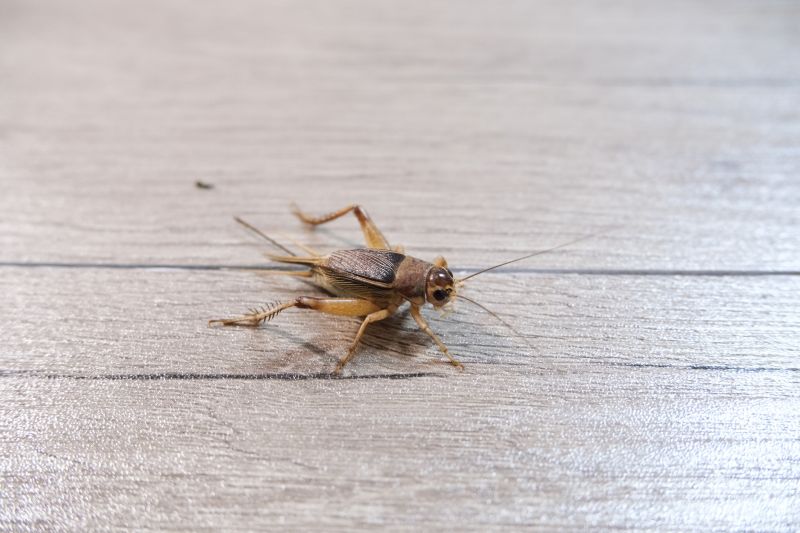
When evaluating potential service providers for residential cricket control, it’s important to consider their experience with similar projects. A contractor who has handled cricket infestations in homes with comparable conditions can often anticipate common challenges and apply effective strategies. This background can translate into more efficient service and a higher likelihood of addressing the root causes of why crickets invade homes and how to stop them effectively. Homeowners should inquire about the contractor’s prior work in their area or with properties of similar size and construction to ensure they have relevant experience.
Clear written expectations are vital when choosing a local contractor for cricket control. Service providers should be able to explain their recommended approach, including inspection procedures, treatment methods, and follow-up steps. Having this information in writing helps prevent misunderstandings and ensures that homeowners are aware of what the service entails. It also provides a reference point for evaluating whether the scope of work aligns with the homeowner’s concerns about why crickets invade homes and how to stop them from returning.
Reputable references and good communication are essential factors to consider when comparing local contractors. References from previous clients can offer insights into the contractor’s reliability, professionalism, and success in resolving cricket issues. Additionally, a contractor who communicates clearly and promptly can better address questions about the infestation, explain treatment options, and provide guidance on prevention. These qualities help ensure that the homeowner feels confident in the service provider’s ability to handle the job and to keep them informed throughout the process.
Property owners often search for why crickets invade homes and how to stop them when they are planning practical projects around their homes and businesses. Local pros provide Residential Cricket Control services for everyday jobs and straightforward project options.
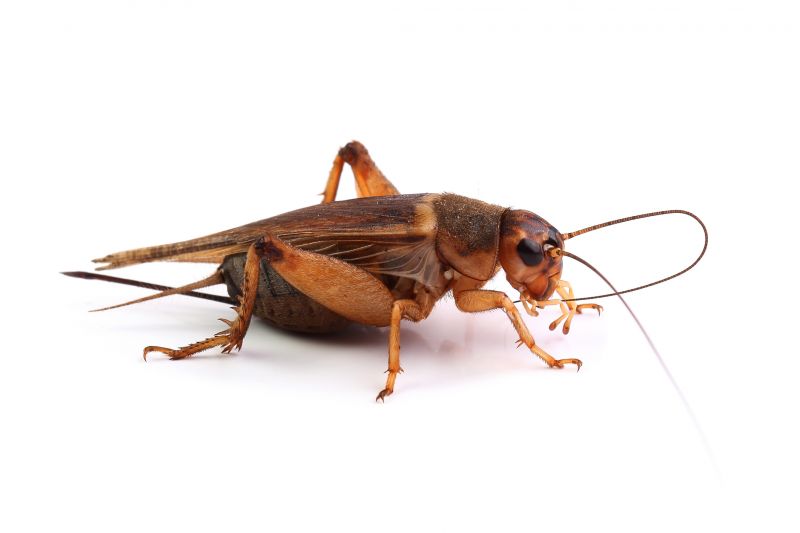
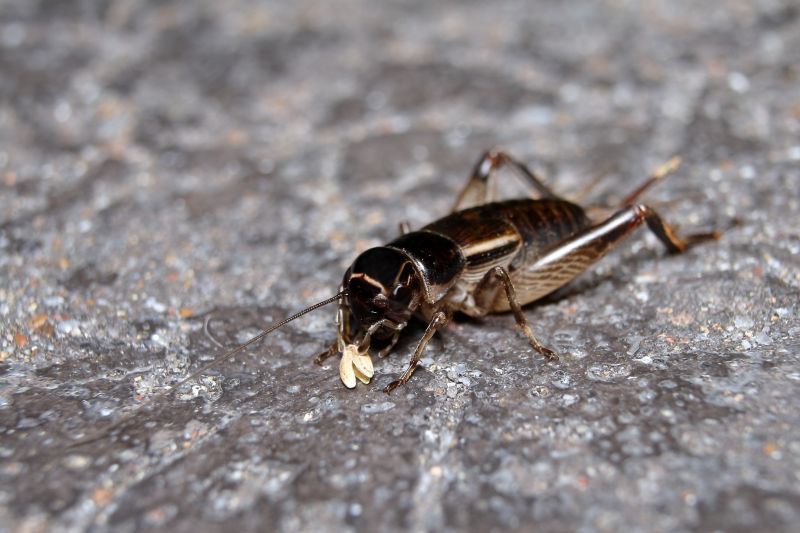
Crickets often invade homes during warmer months when they seek shelter and sources of moisture. Common situations such as gaps around doors and windows, cracks in the foundation, or cluttered basements can provide easy entry points for these insects. Homeowners in the area might notice chirping sounds or small holes in window screens, prompting them to look into why crickets invade homes and how to stop them. Local contractors who specialize in residential cricket control can assess the property, identify entry points, and recommend effective solutions to prevent future invasions.
Understanding why crickets invade homes and how to stop them often involves addressing structural vulnerabilities and environmental factors. Simple measures like sealing gaps, reducing clutter, and maintaining proper drainage can significantly decrease the likelihood of an infestation. When these efforts are not enough, professional services from local experts can provide targeted treatments and ongoing prevention strategies. Connecting with experienced residential cricket control providers can help property owners protect their homes from unwelcome cricket visits and keep indoor spaces quiet and pest-free.
Why do crickets tend to invade homes? Crickets often enter homes seeking warmth, moisture, or shelter, especially during certain seasons or when their outdoor environment becomes less hospitable. They are attracted to dark, damp areas like basements, crawl spaces, and garages. Local contractors can identify entry points and recommend effective ways to prevent future invasions.
How can I stop crickets from getting into my house? Blocking entry points such as gaps around windows, doors, and utility lines is a common method. Keeping the yard well-maintained and removing debris can also reduce outdoor attractants. Residential cricket control specialists can provide tailored solutions to seal and exclude crickets effectively.
Are there specific areas in the home that attract crickets? Crickets are drawn to dark, moist areas like basements, crawl spaces, and storage rooms. Clutter and overgrown vegetation near the home can also encourage their presence. Local service providers can assess these areas and suggest targeted exclusion techniques.
What are effective ways to eliminate crickets once they invade? Using targeted insect treatments and traps can help reduce cricket populations indoors. Additionally, removing hiding spots and maintaining dry environments are crucial. Professional pest control services can implement integrated strategies for long-term control.
Can residential cricket control services prevent future invasions? Yes, experienced contractors can identify vulnerabilities, seal entry points, and recommend ongoing maintenance practices to prevent crickets from re-entering the home. Regular inspections by local pros help maintain a cricket-free environment.
Identify entry points - property owners can inspect their homes for cracks and gaps that crickets use to get inside, with local contractors providing sealing services.
Reduce outdoor attractants - removing debris, tall grass, and piles near the home can make the environment less inviting for crickets, supported by local pros' landscape cleanup.
Implement barrier treatments - applying physical barriers or insecticides around foundations and entry points helps prevent crickets from invading, with assistance from local pest control experts.
Maintain proper drainage - ensuring proper grading and fixing leaks reduces moisture that attracts crickets, with guidance from local service providers on effective drainage solutions.
If you are thinking about why crickets invade homes and how to stop them for a property, this guide is meant to help you understand this topic, the typical project types, and how different options might fit your plans.
When you are ready, you can use the quote form on this page to share a few details about your project. From there, local pros can review the basics and follow up with options that match what you have in mind.